
From Growers to Brands: Closing the Gap
Double-click to edit...
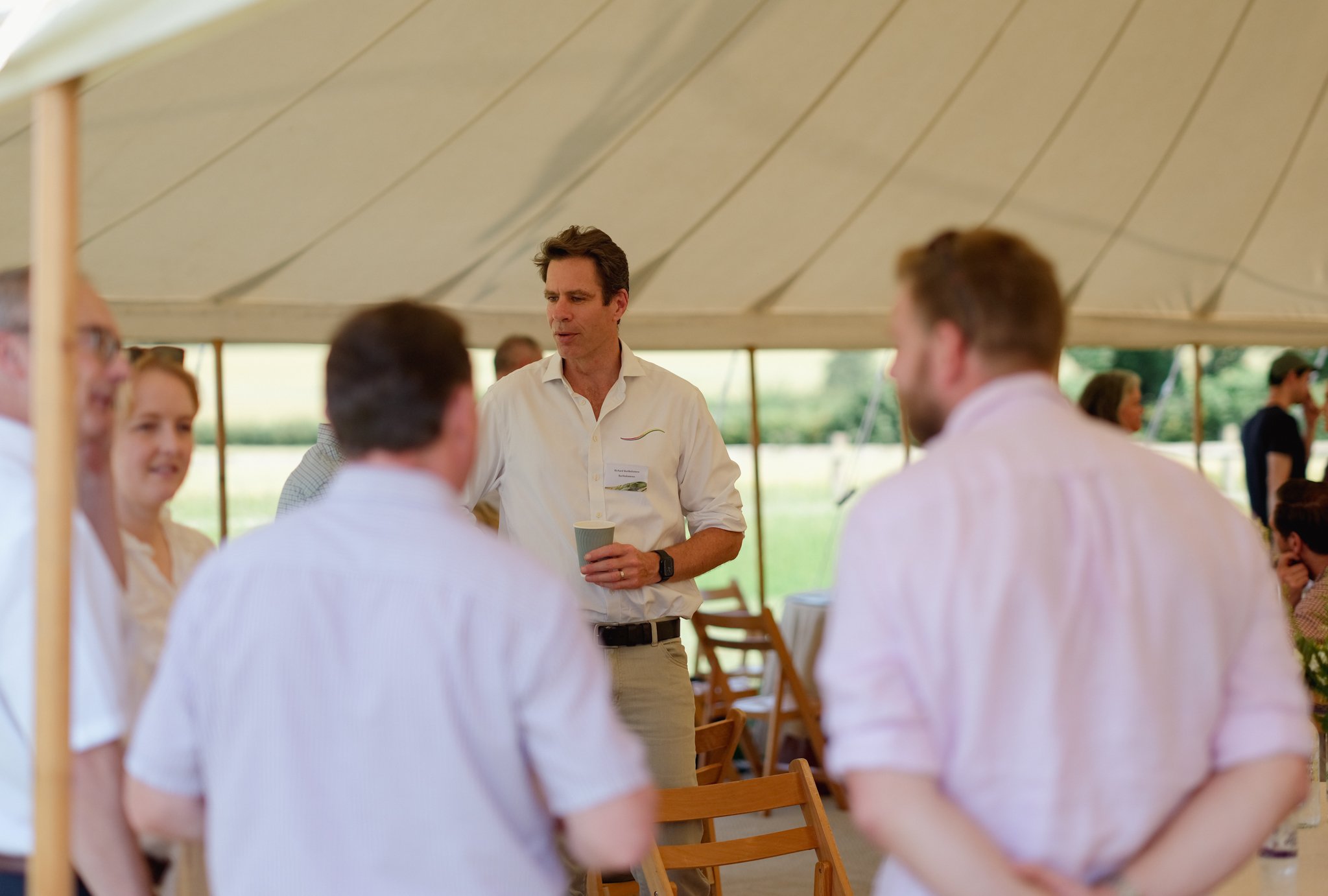
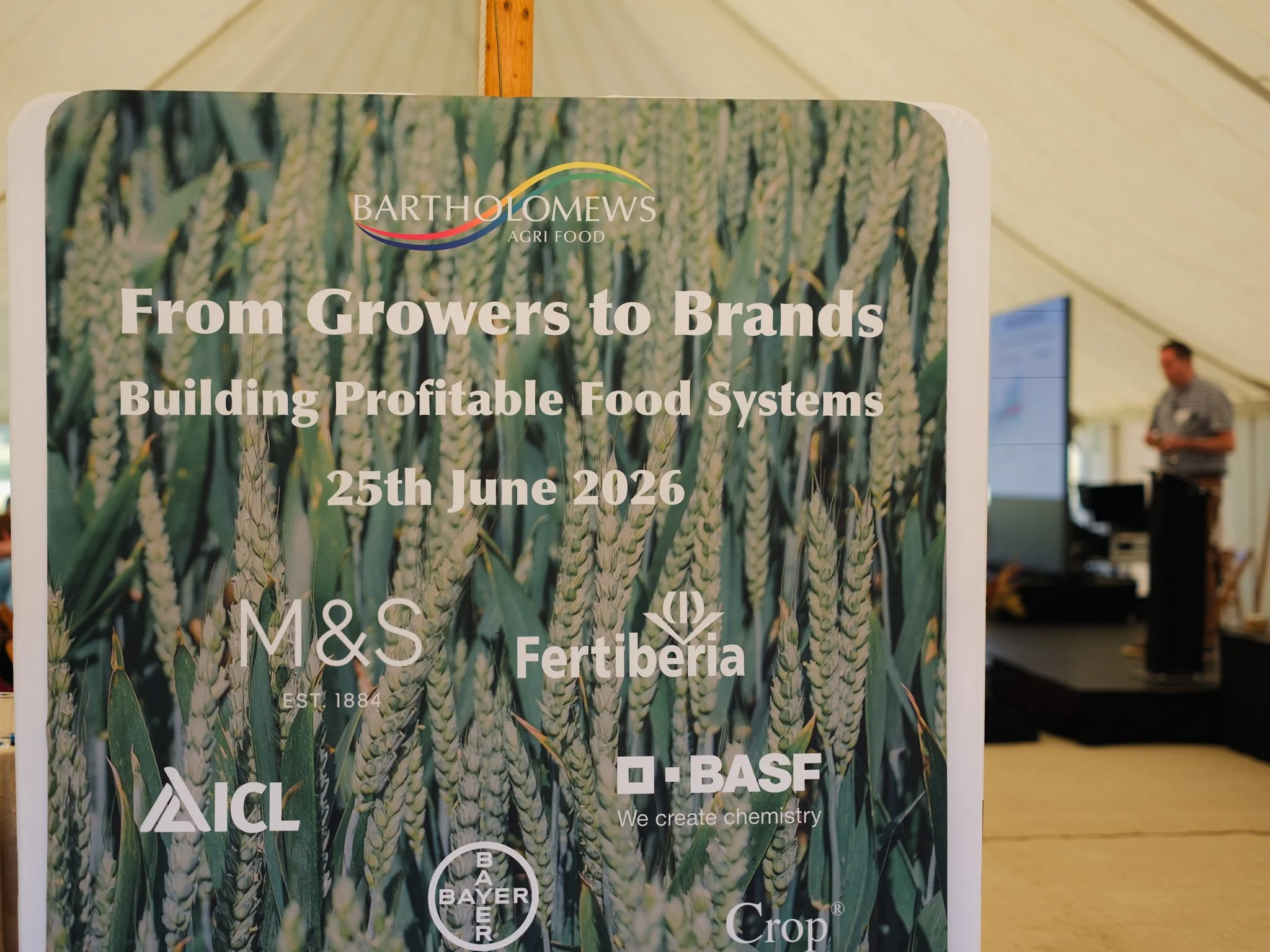
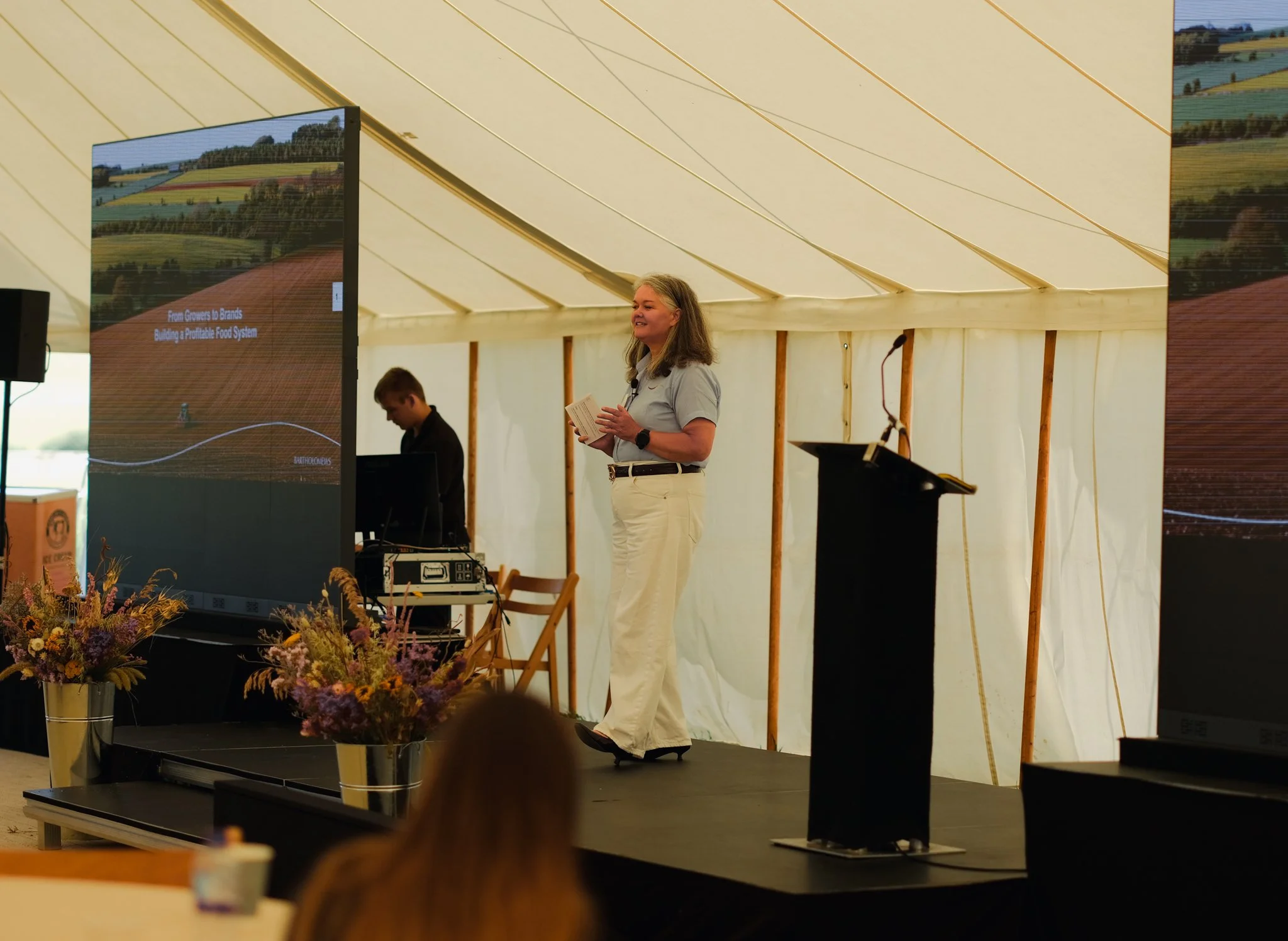
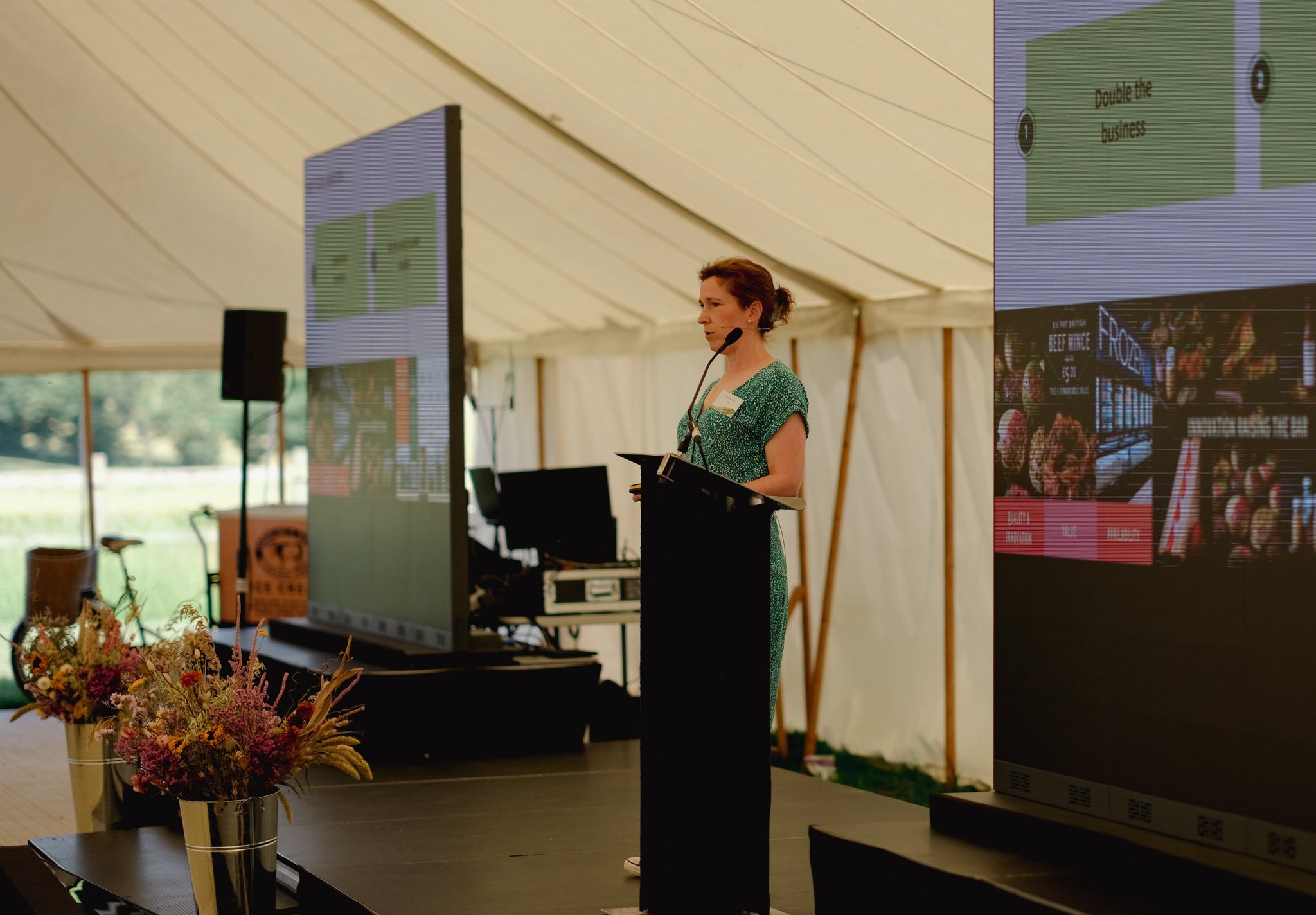
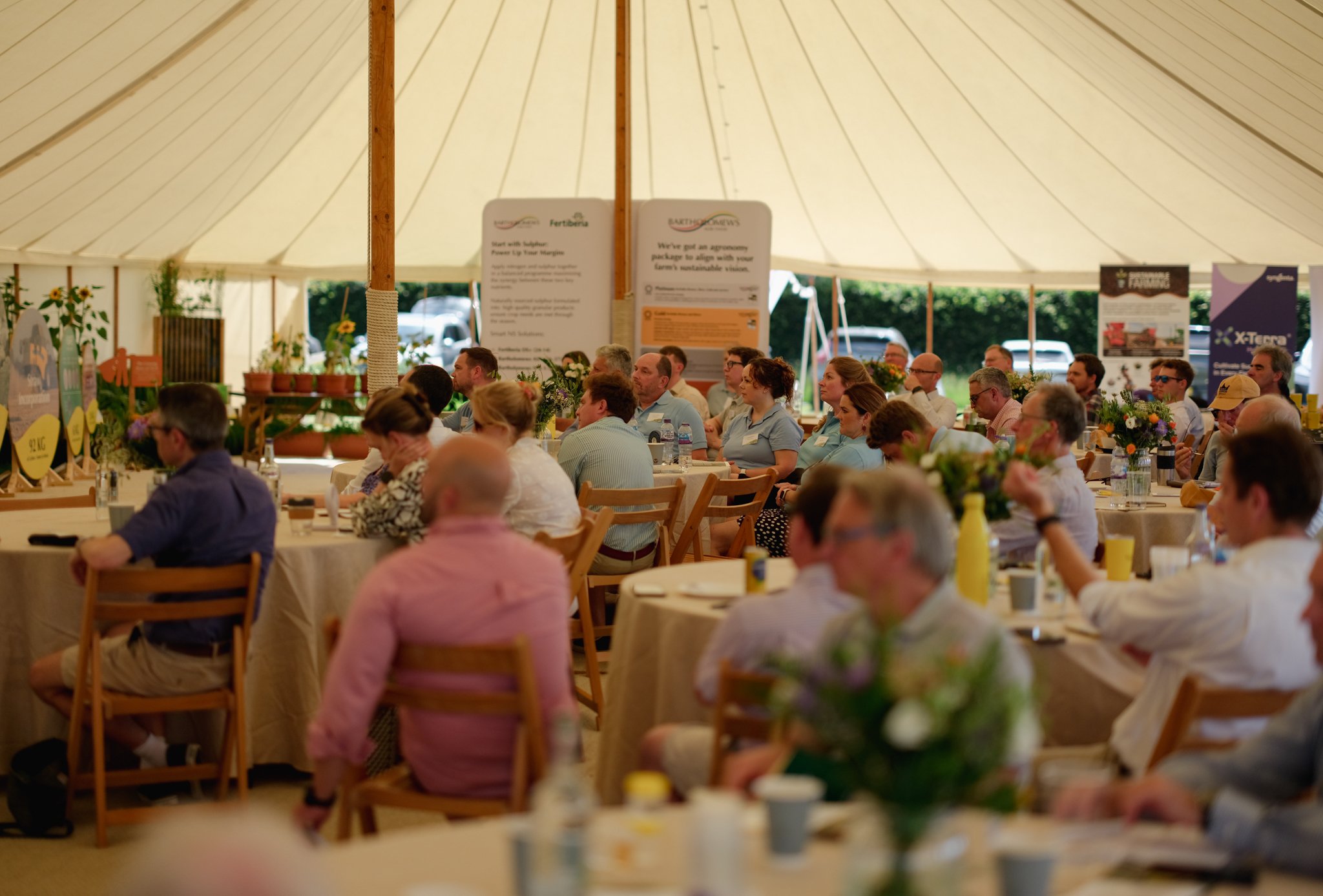
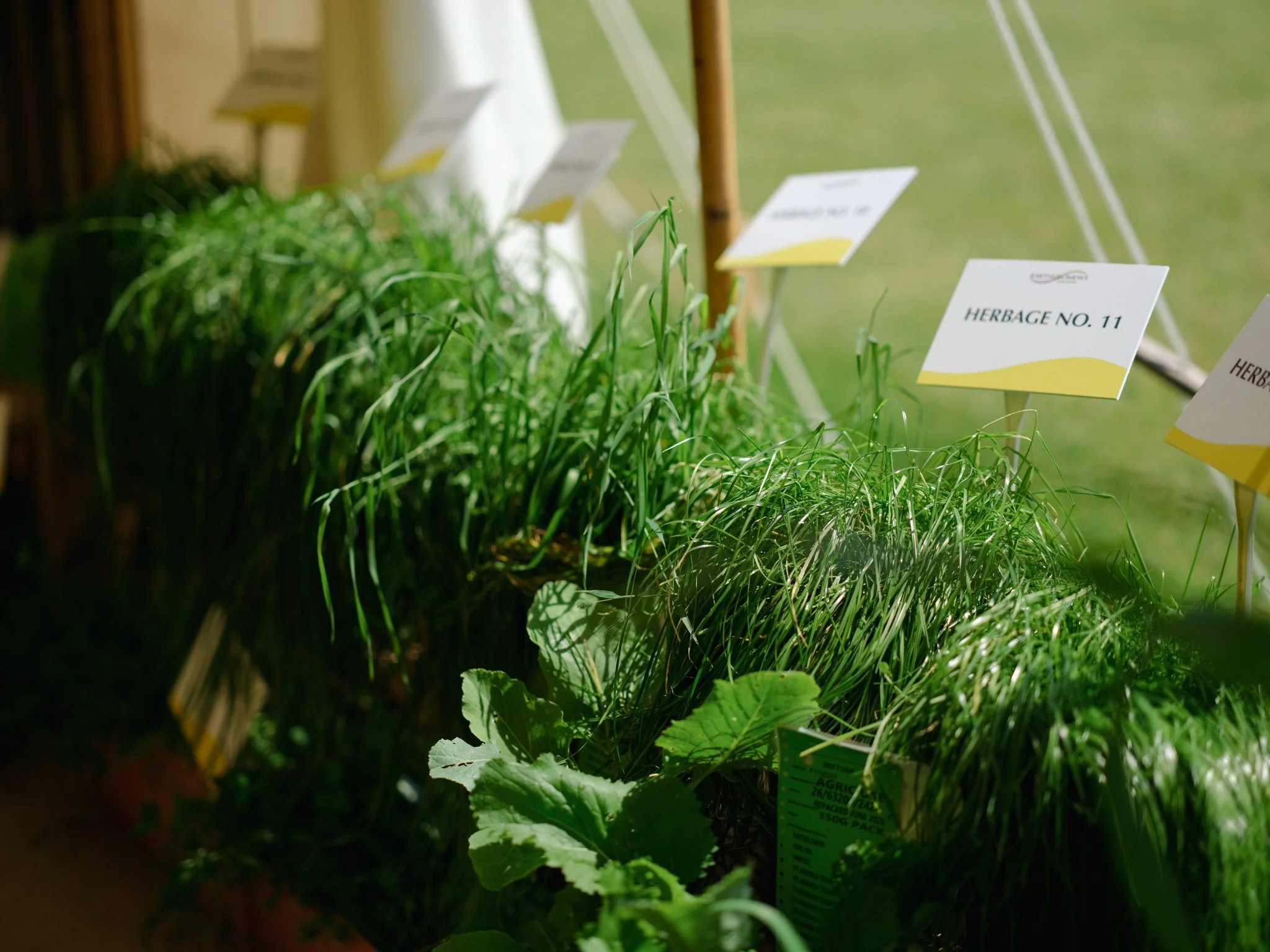
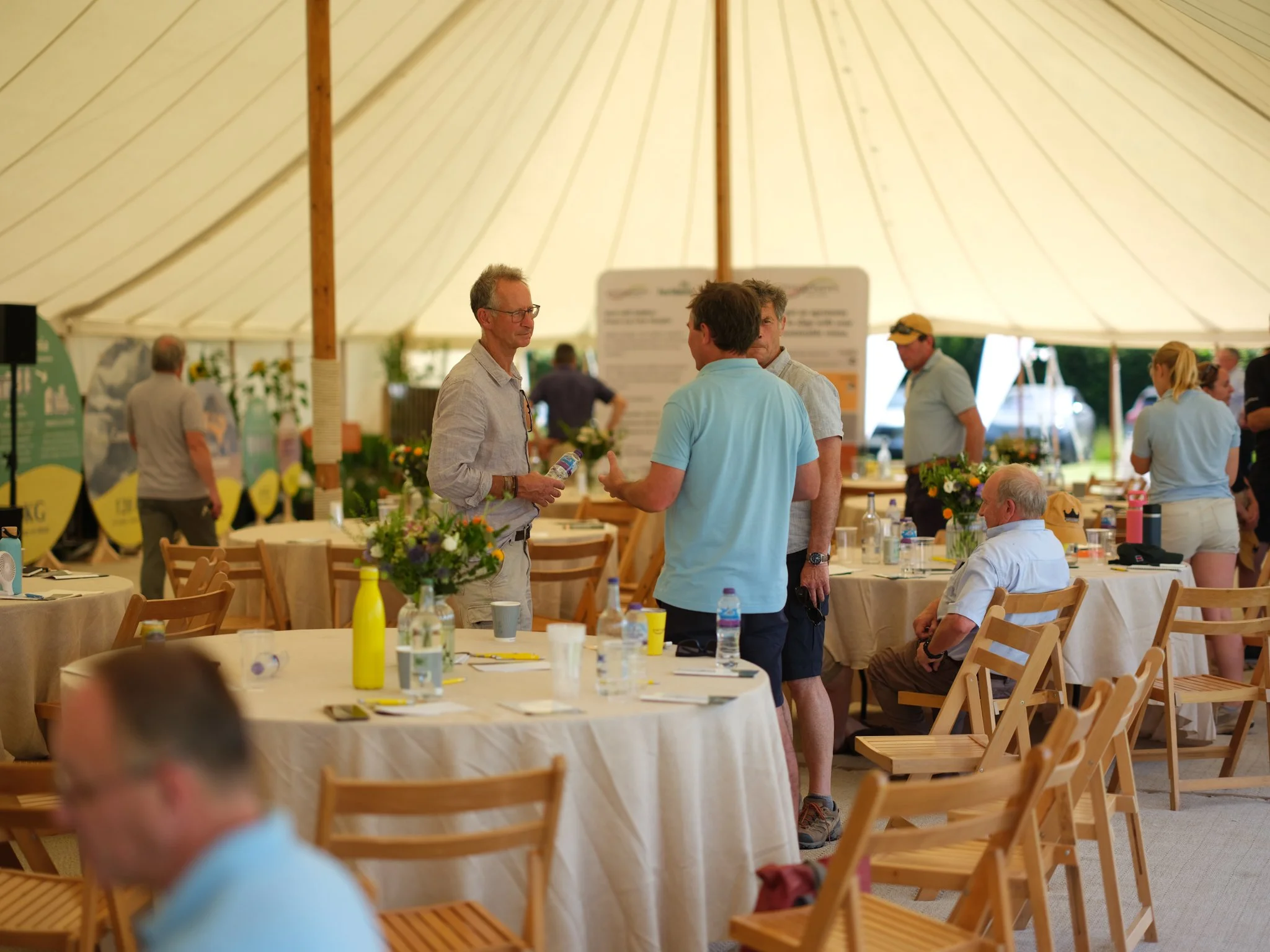
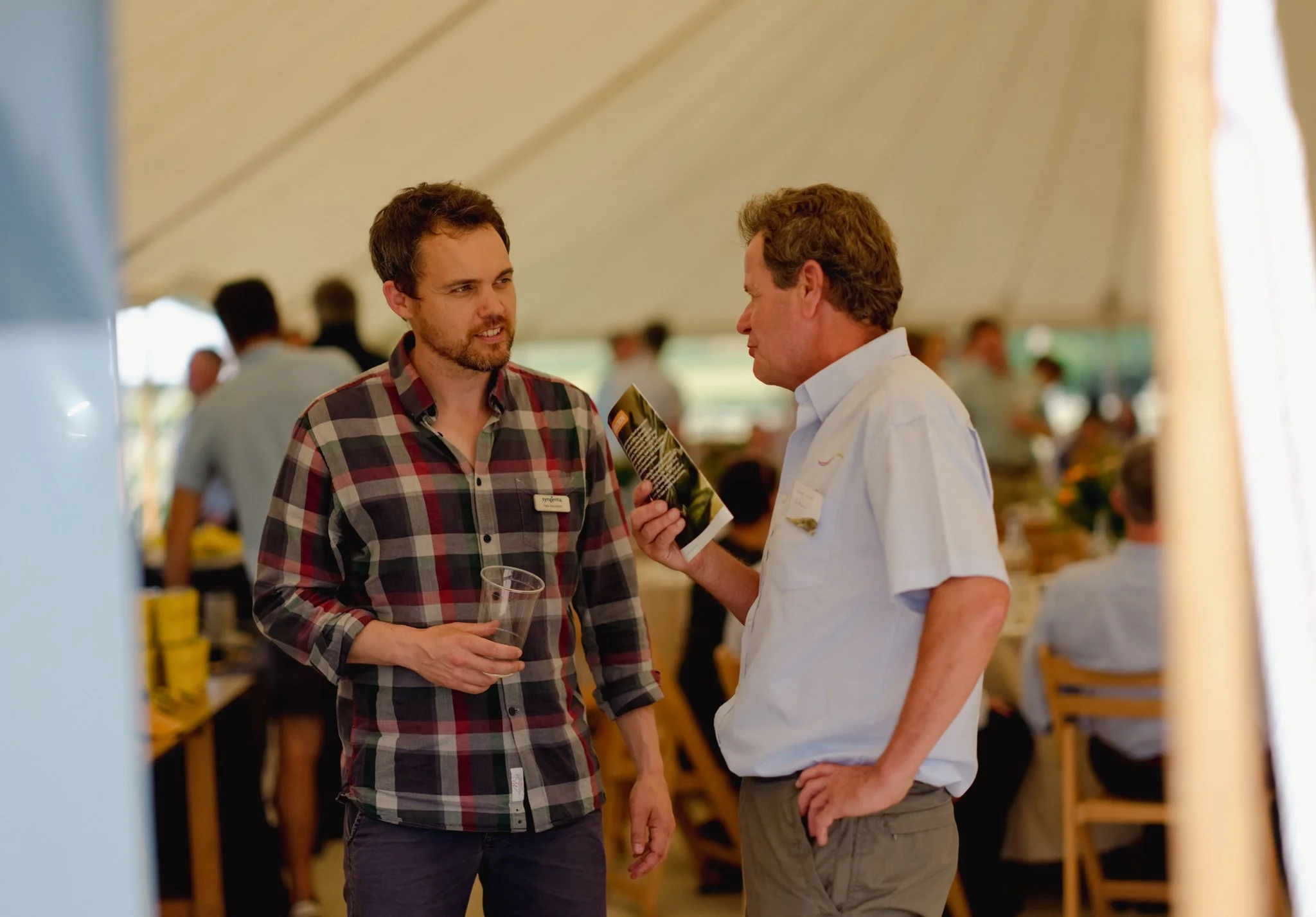
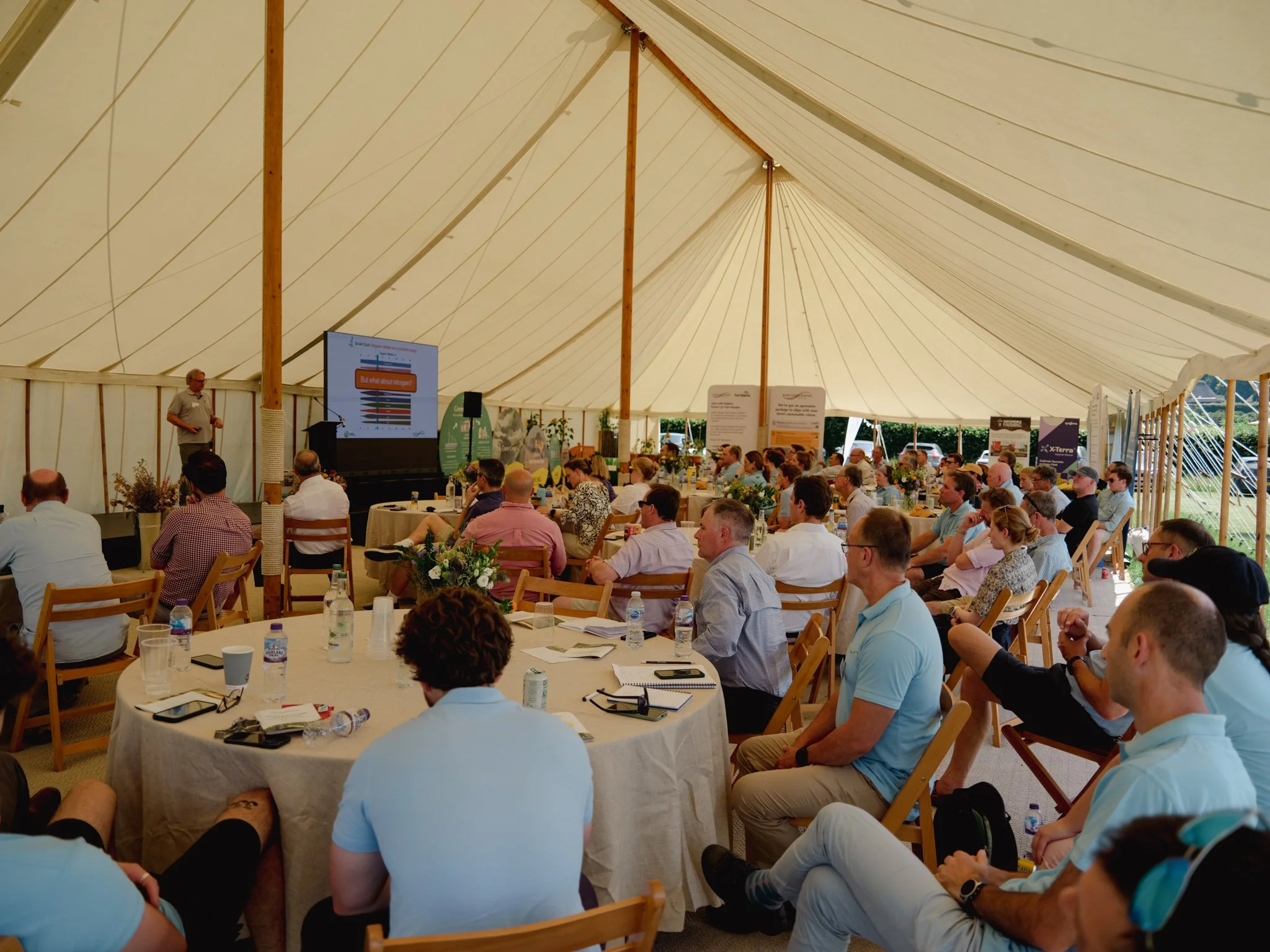
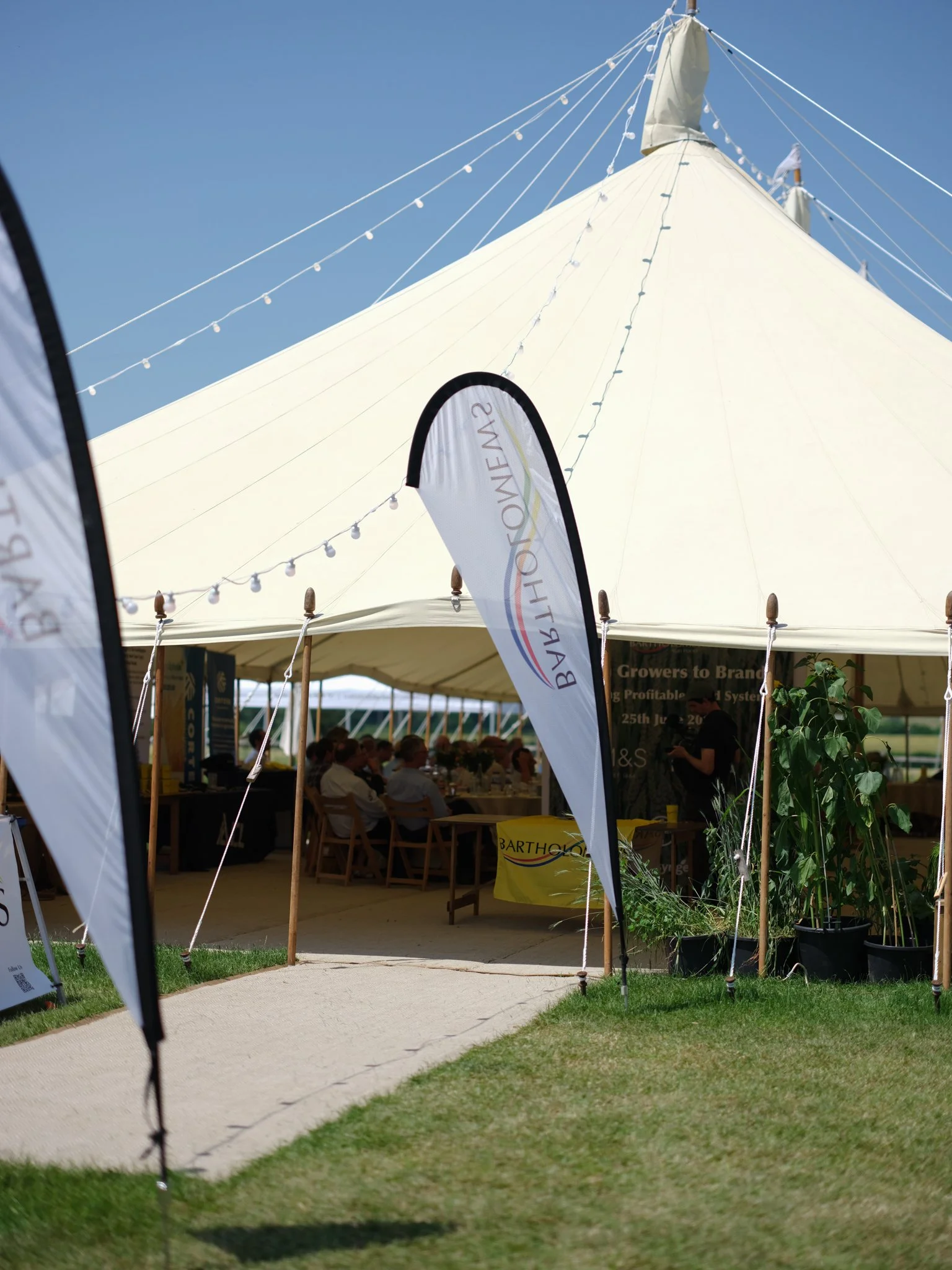

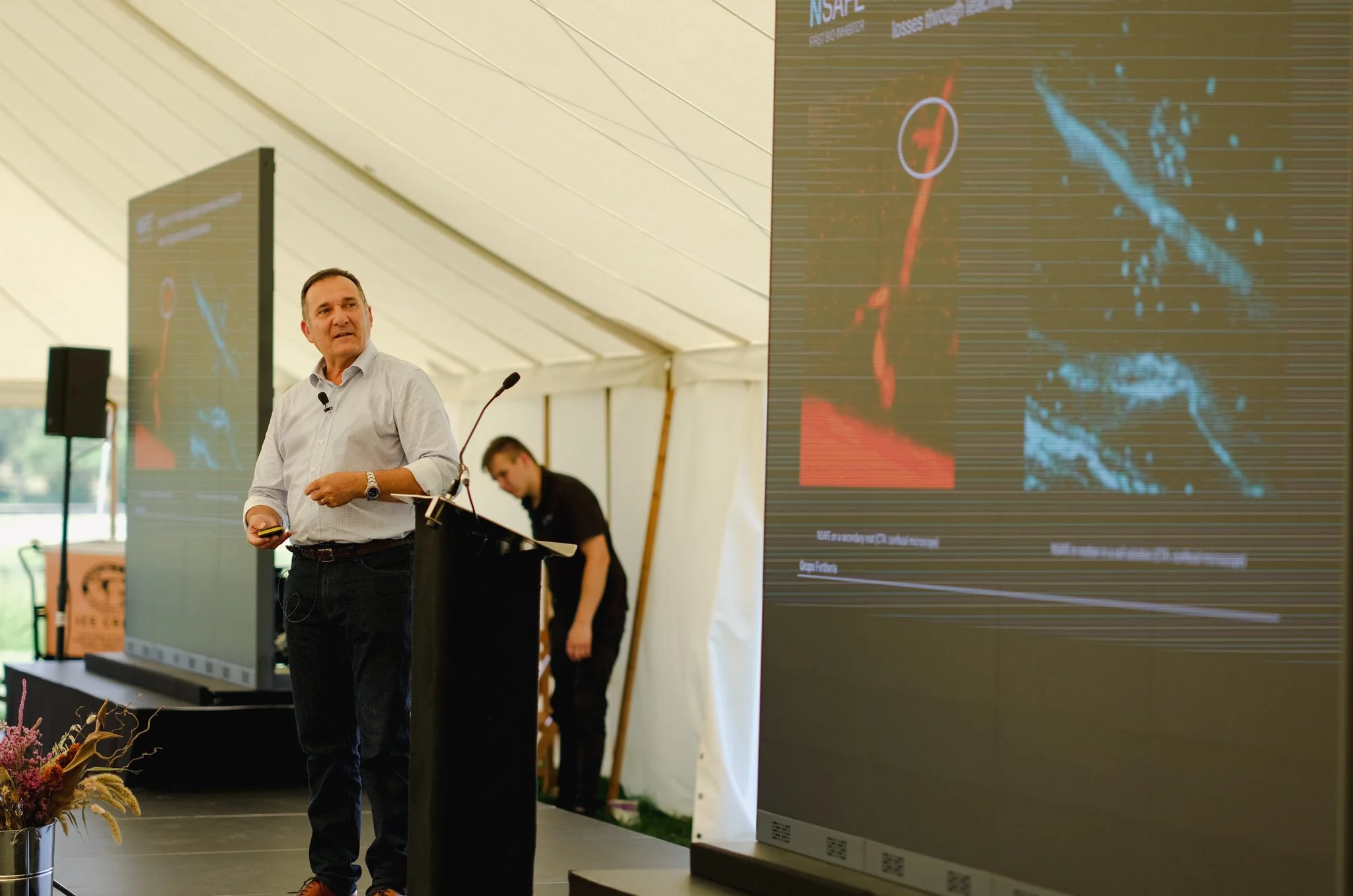
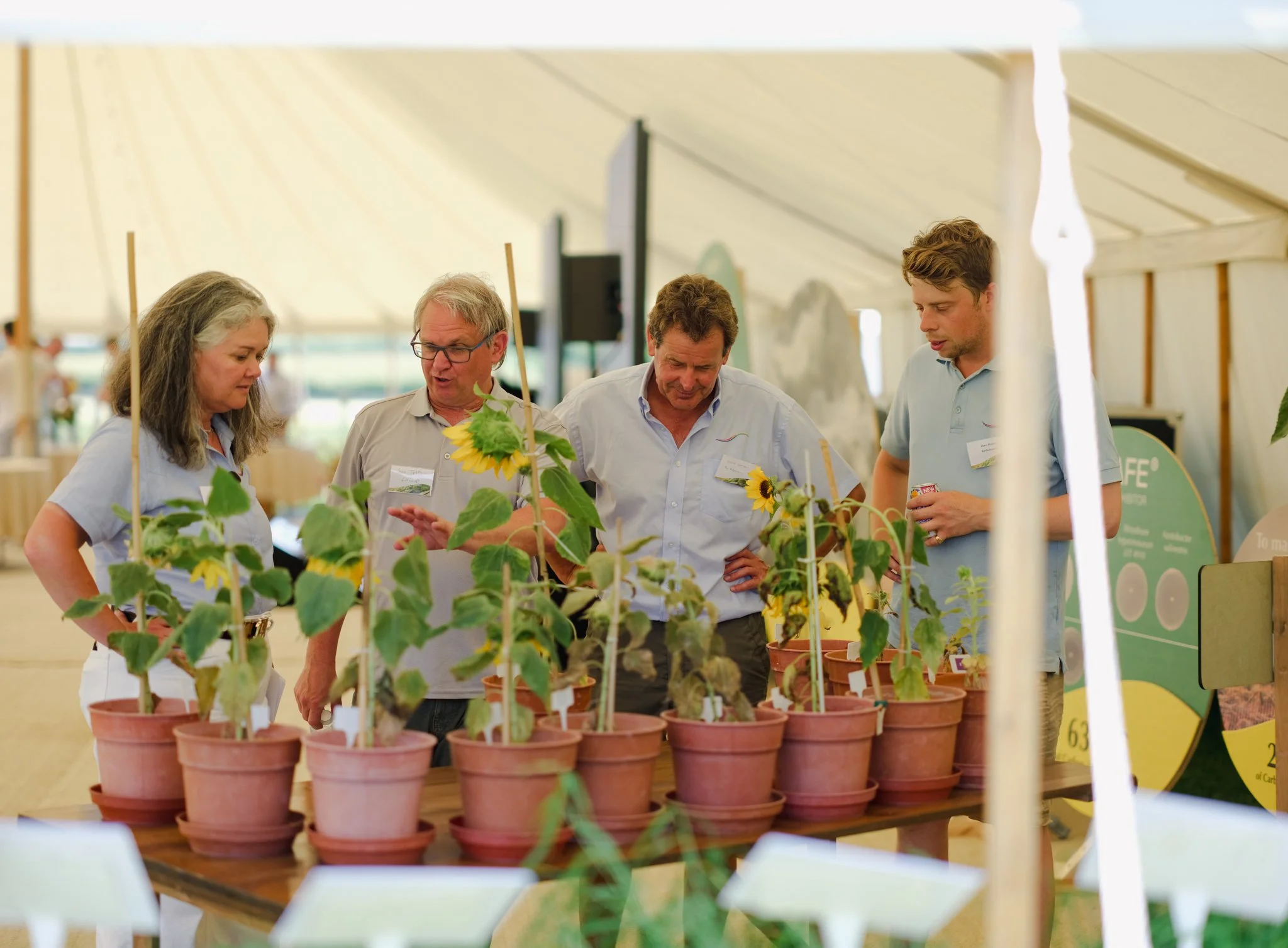
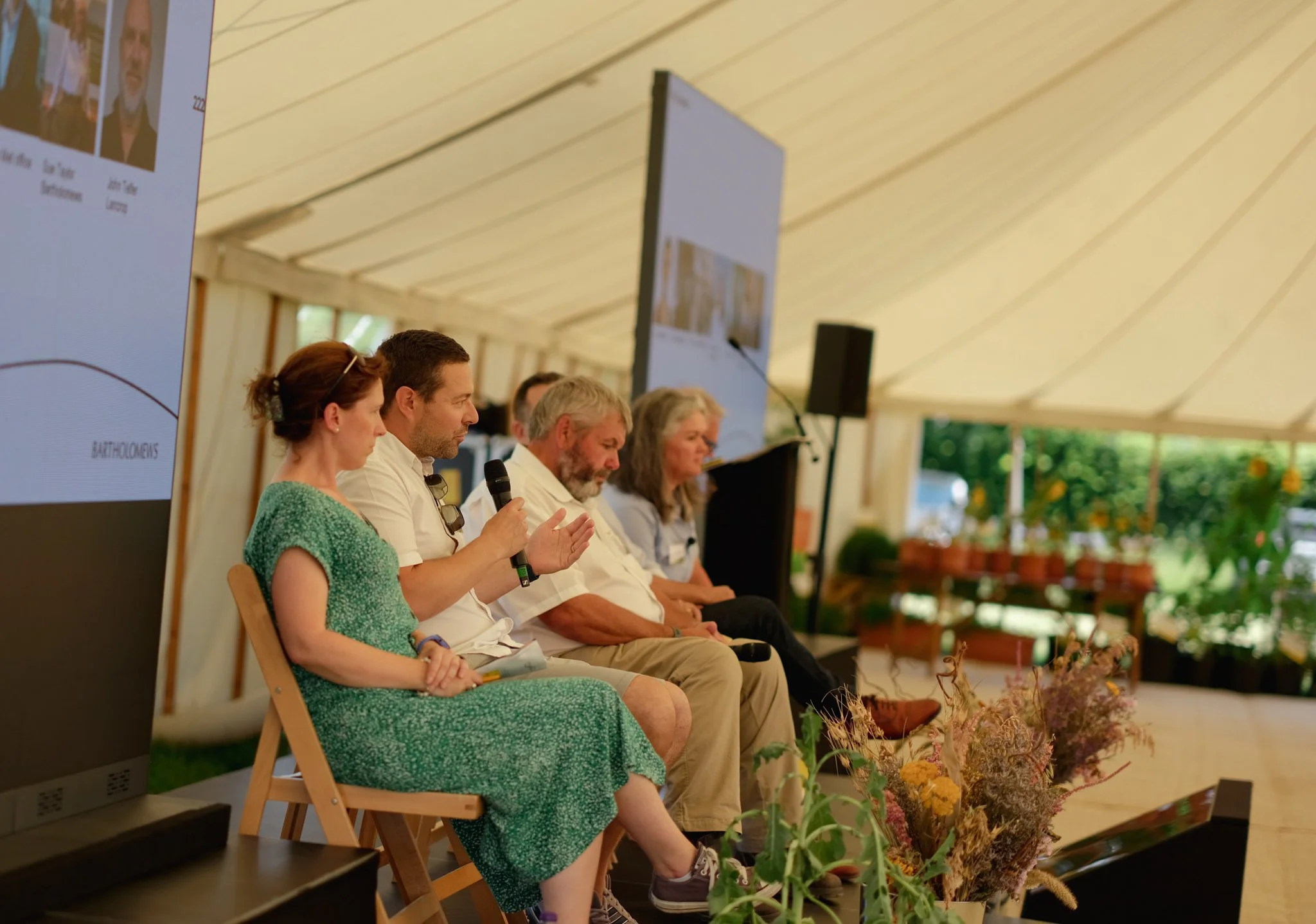
Last week, we brought together growers, agronomists, brands and industry leaders for a day built around a simple but powerful idea: the real opportunity in British agriculture sits in the gap between the grower and the consumer.
What the day made clear across every speaker, every session, every conversation is that this gap is already starting to close. Not in theory. Through real thinking, real insight, and real commercial opportunities being built across the supply chain right now.
The market is becoming more selective
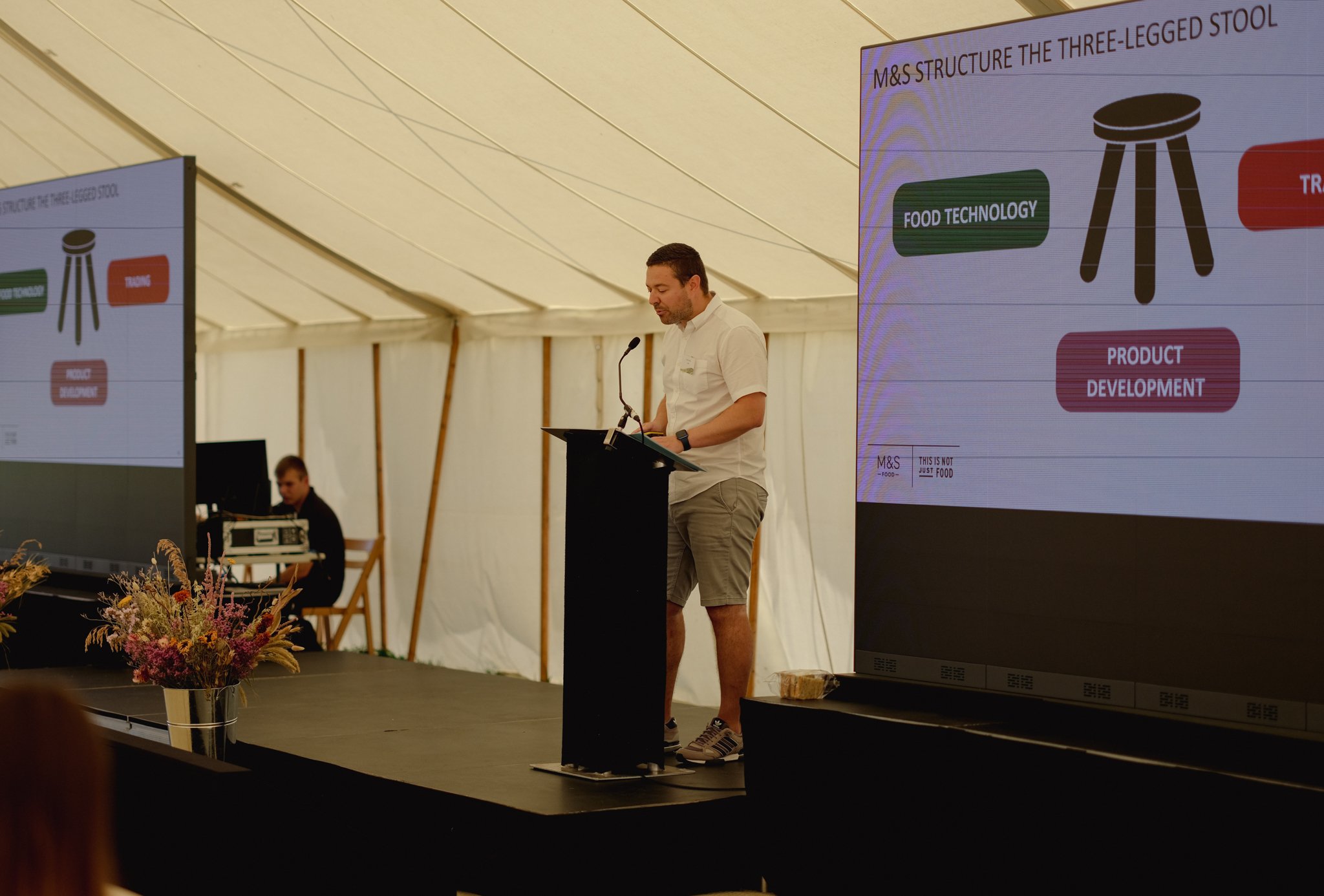
Vivienne Harris and Mark Waples from M&S set the commercial context early. Brands are no longer just buying volume. They are actively seeking consistency, traceability and carbon accountability and they are building supply chains around growers who can deliver all three.
M&S has committed to sourcing 100% of its British products from regenerative farms by 2030. Mark walked the room through how that commitment has already translated into a commercially launched, segregated low-carbon wheat product: end-to-end, from farm to Food on the Go shelf. The infrastructure exists. The question, as the day kept returning to, is no longer can we grow it? It is does the market truly value it and are we positioned to capture that value?
Farming systems need to be a profit driver
Jon Telfer of Lancrop Laboratories and Andrew Stillwell, Bartholomews' Technical Director, made a compelling joint case: the gap between average returns and what is genuinely achievable is far larger than most growers realise.
Jon's message on soil health was unambiguous. Many soils are operating well below optimal levels for pH, phosphorus and potassium. Organic matter, the foundation of nutrient supply, resilience and ultimately yield, is being undervalued and underleveraged. The data exists to fix this. The tools exist to act on it.
Andrew then showed how seed technology is accelerating that shift. Improvements in root architecture, nutrient uptake and crop establishment aren't marginal curiosities, they are compounding gains that build margin in the system, not just at the market gate.
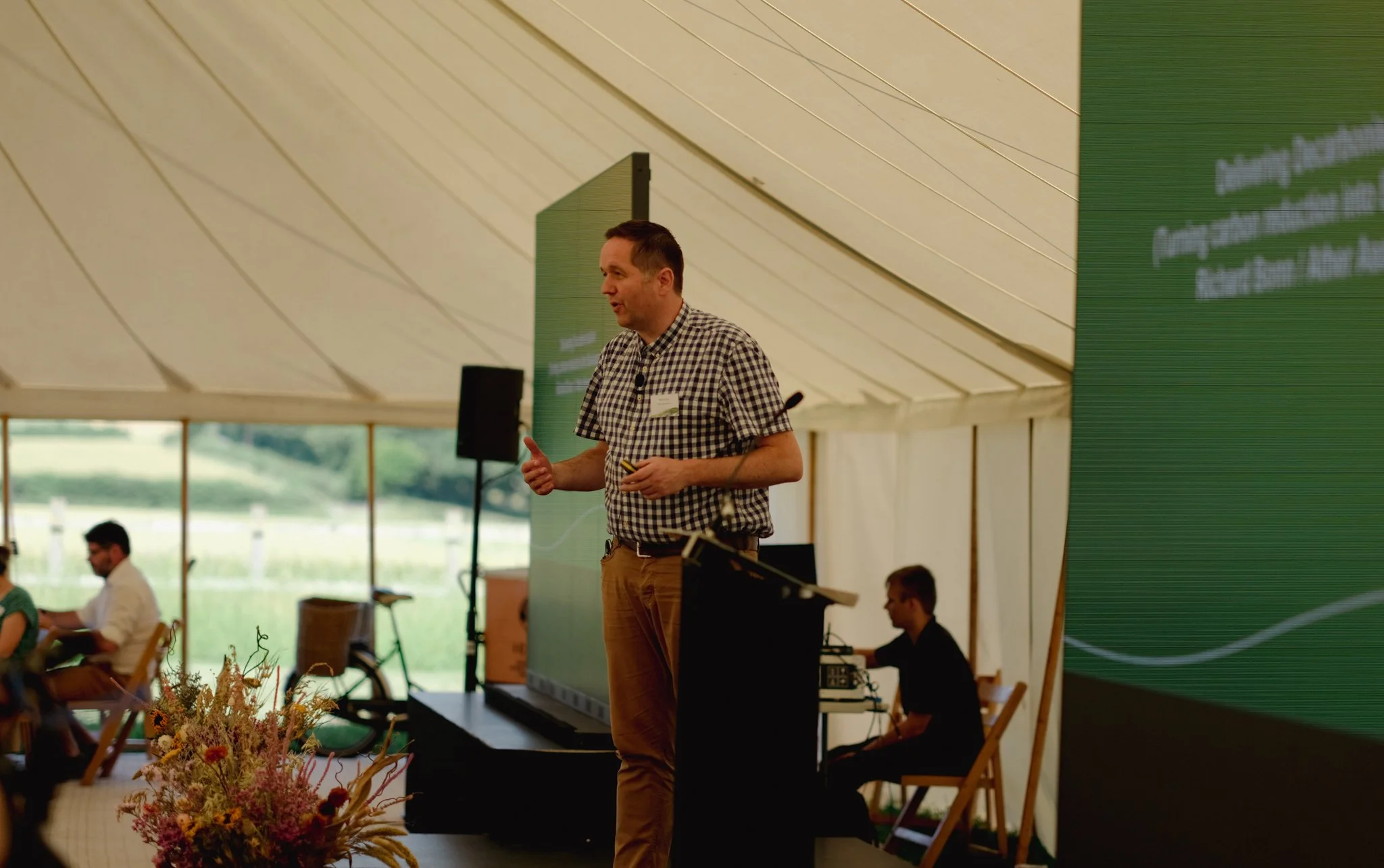
The math is striking. We can move from £9 per tonne gross margin on milling wheat to £66 per tonne and beyond, not through one silver bullet, but through stacked, marginal improvements in nutrition efficiency, crop resilience, quality consistency, and precision application. And that doesn't yet include environmental or carbon premiums, which Richard Bonn of Aethr Associates made the case are increasingly real business metrics, not just reporting obligations. Applying lean thinking to carbon, treating emissions as a signal of inefficiency and waste, can simultaneously reduce cost and improve margin.
Technology is accelerating what's possible
The conversation on technology throughout the day was notably grounded. The message wasn't more data for its own sake. It was about better decisions, better timing, and clearer routes to consistent, repeatable performance. From satellite-driven insights to data-led soil testing, technology is enabling the shift from reactive farming to genuinely predictive agronomy.
Ramón Pelegri of Grupo Fertiberia added a global dimension the introduction of the Carbon Border Adjustment Mechanism is beginning to level the playing field on input costs internationally, while also driving rapid innovation in low-emission fertilisers and nitrogen efficiency. The economics of sustainable inputs are changing.
Risk is rising but so is the opportunity
Pete Falloon from the Met Office provided the clearest evidence yet that climate volatility is not a future problem. It is a present one. Extreme weather events are increasing in frequency and severity. UK adaptation planning is, by his assessment, currently insufficient.
But the tone of the day was not fatalism. The conversation has shifted from reacting to risk towards designing systems that manage it through better water management, crop diversification, adjusted operational timings, and greater system resilience. The growers who build these capabilities now will be better placed commercially as the pressure increases.
One thread ran through everything
Across every contribution, one message stood out: we already have the capability, the innovation and the intent. What is needed now is alignment.
Alignment between what we grow and what the market truly values. Between agronomy, technology and marginal gains. And critically, alignment across the supply chain so that value is not lost in the gap, but recognised, rewarded and shared.
The strongest conversations of the day weren't about producing more. They were about producing more consistently, more resiliently, and with more market relevance.
That is where premiums are created. That is where risk is reduced. And that is where margins move materially.
Our role at Bartholomews is to connect what you grow to the markets that truly value it and increasingly, to help unlock the marginal gains in the field, the alignment with market demand, and the more consistent, visible returns that make that connection worthwhile.
If last week's conversations sparked questions for your own business, we'd love to talk to you about them.